
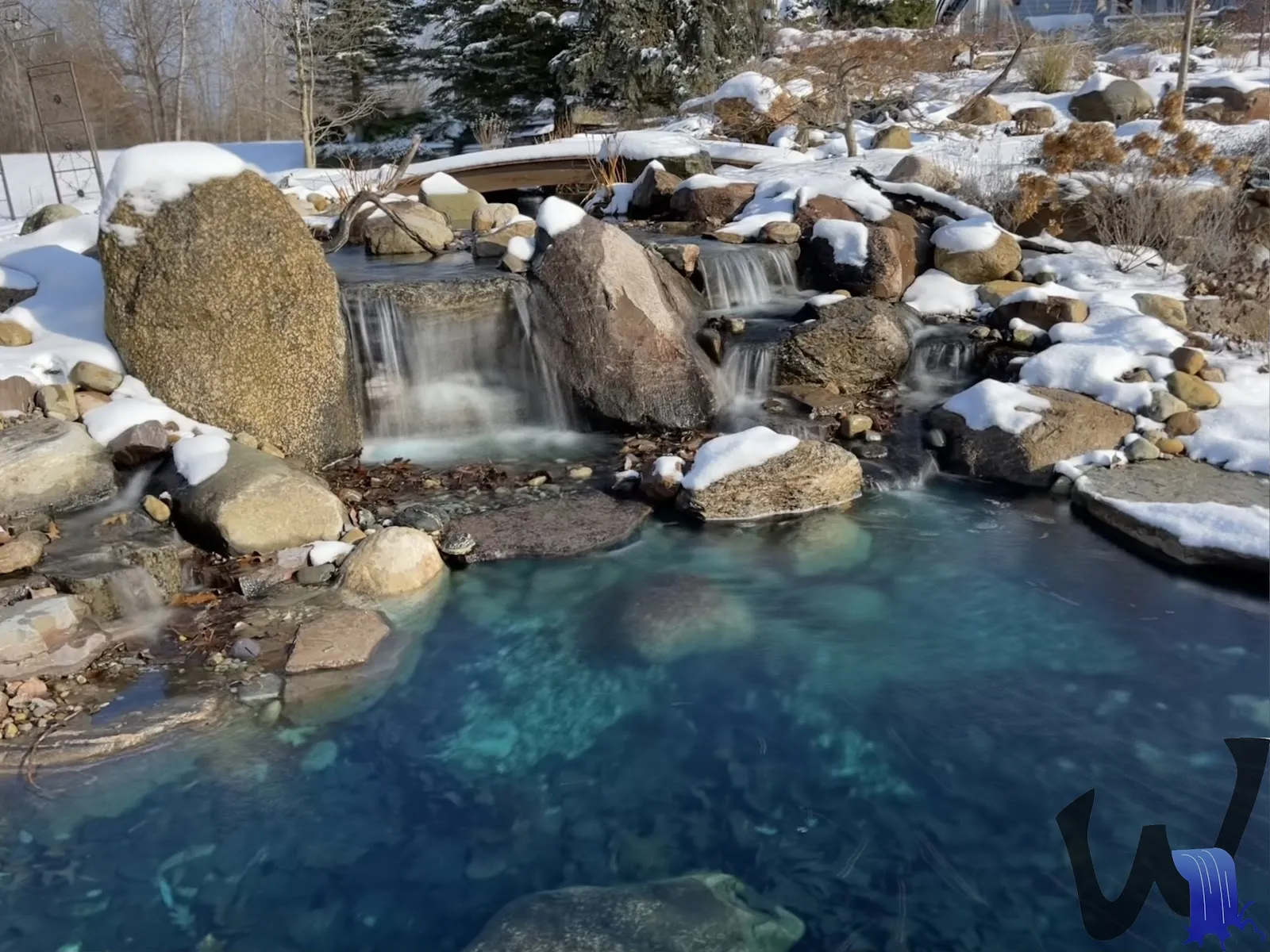
Pond Cleaning in Austin, TX
A full drain, wash and reset of your pond: muck and leaves out, rock and gravel cleaned, equipment checked, water refilled and balanced.
What a Full Pond Cleaning Includes
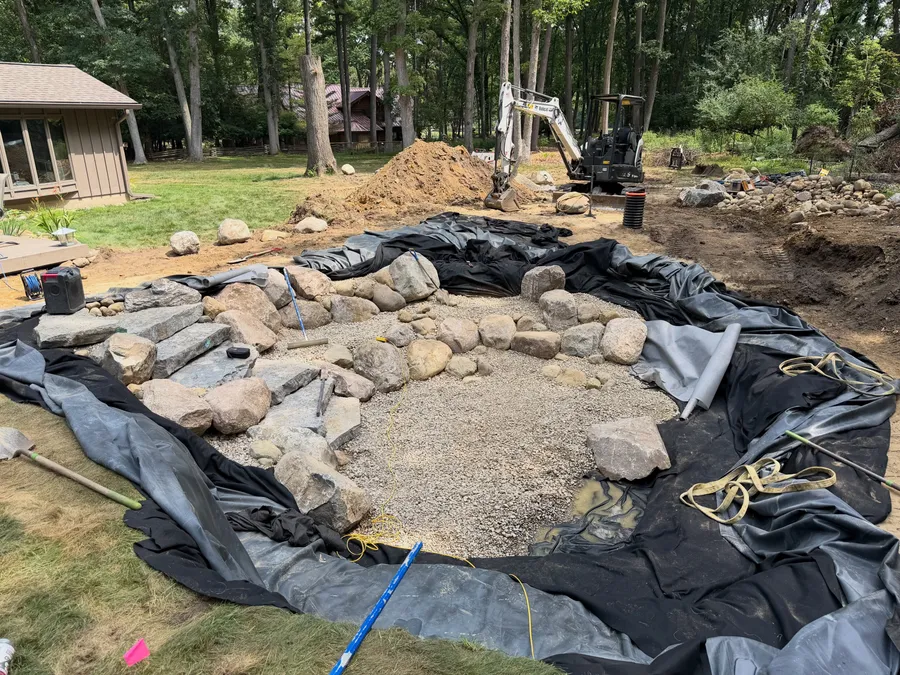
A pond cleaning is the full reset. We net and hold the fish in aerated water, drain the pond, and wash the rock, gravel and waterfall down so the muck and leaf litter that has settled into every crevice comes out instead of staying put.
The filter media gets cleaned or replaced, the skimmer and pump get inspected, and we look over the liner and the edges while they are visible, which is the only time of year you really can. Then the pond refills, gets treated and balanced, and the fish go back in once the water is right for them.
In the Field
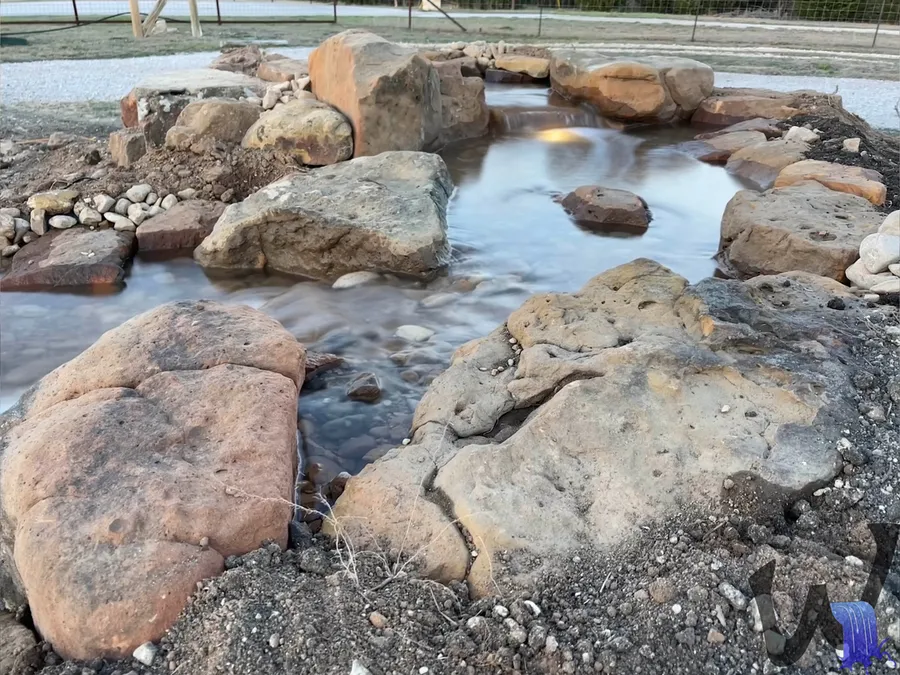
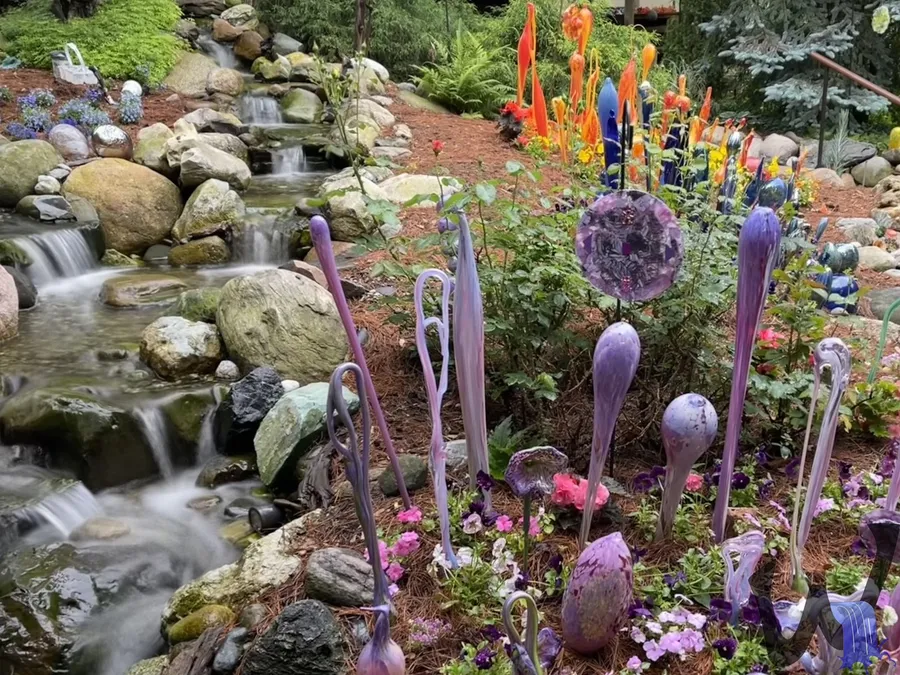
Pond Cleaning, On the Job
Why Muck Builds Up and Why It Matters
Everything that lands in a pond eventually breaks down and sinks. Leaves, pollen, fish waste and the dust that blows across Central Texas all collect as a layer under the gravel. A healthy pond handles some of that on its own, which is what the bacteria in the rock are there for.
Past a certain point the load tips the balance. Nutrients feed algae, decomposition pulls oxygen out of the water, and the filtration spends all its capacity working through backlog instead of the daily load. A cleanout clears that debt in one go. It is also the one time somebody can actually inspect the liner, the rock work and the plumbing with the water out of the way, which is how small problems get found before they turn into leaks.
Caring for Your Koi During a Cleanout
The fish are the part of this job that needs the most attention, and it is where a careless cleanout does damage. We move them into holding water with aeration running, keep them out of direct sun, and handle them as little as the job allows.
Going back in matters just as much as coming out. Fresh water has to be treated, and the temperature difference between the holding tank and the refilled pond has to be small enough that the fish are not shocked. So it helps to know roughly how many koi you have and how big they are before we arrive, so the holding setup is sized for them rather than improvised in the moment.
When to Schedule a Cleaning and What to Expect After
Timing matters more than people expect, because fish handle the process better in some conditions than others, and water temperature drives that. Rather than fitting a cleanout in whenever there is a gap, we would rather talk through when your pond should have one. Some ponds want it yearly, others go longer, and the leaf load around the feature is usually what decides.
On the day, we need water access to refill and a place to discharge what we pump out, which is normally the lawn and which your plants will not mind. Clear a path so hoses and equipment can reach the pond. Afterward, expect the water to look cloudy for a few days while the bacteria re-establish and the fine sediment settles. That is normal, and it clears on its own. If the pond is cloudy for weeks, something else is going on, and that is usually a filtration question.
More Services
Other Ways We Can Help
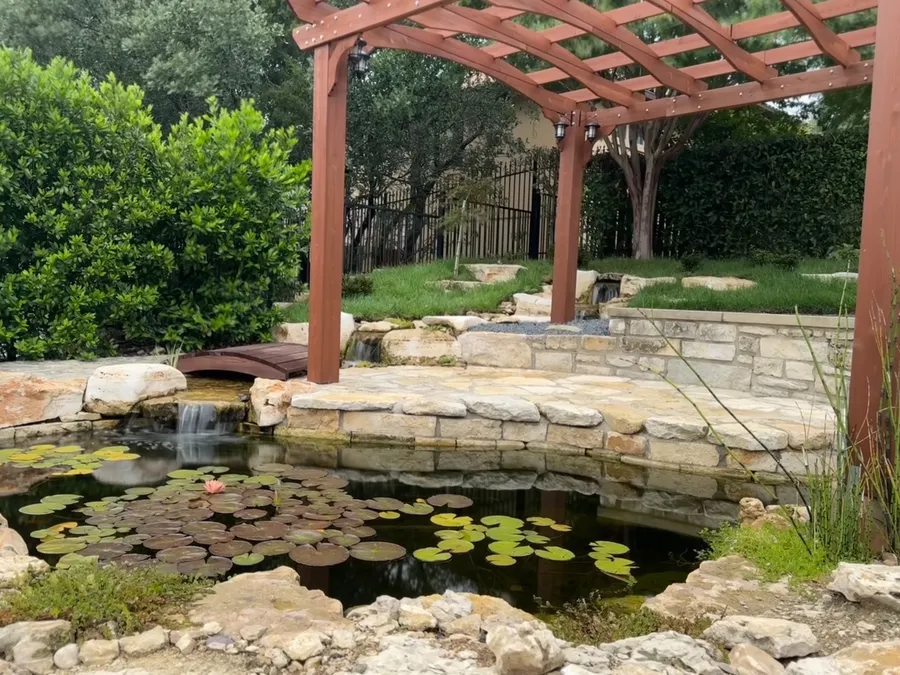
Koi Pond Installation
Custom koi ponds and pondless waterfalls designed and built for Austin yards, with the rock work, filtration and plantings that keep water clear.
See more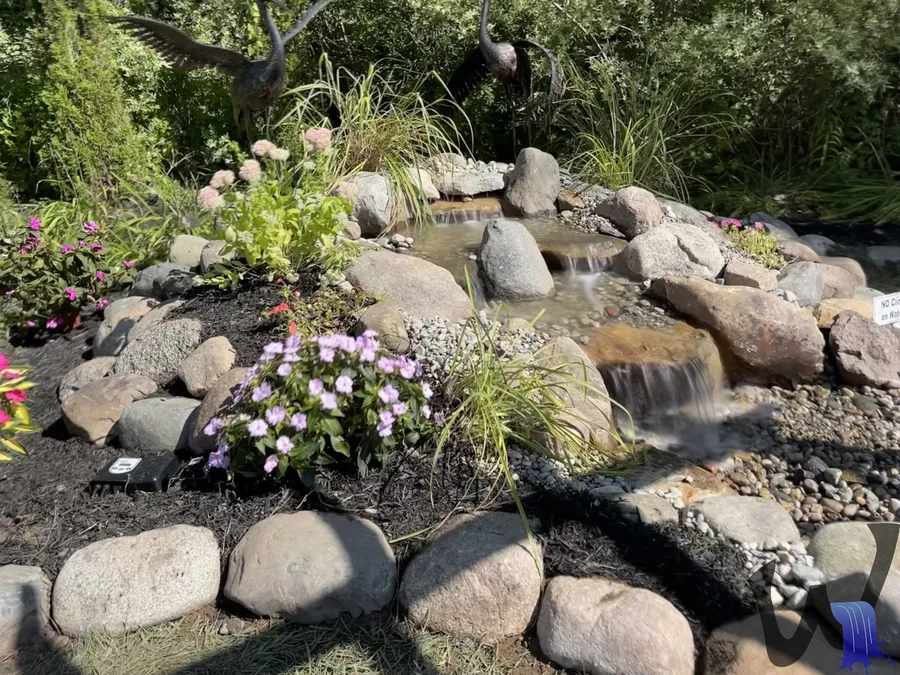
Water Feature Maintenance
Ongoing care for koi ponds, pondless waterfalls and fountains around Austin, from filter service and water checks to seasonal adjustments.
See more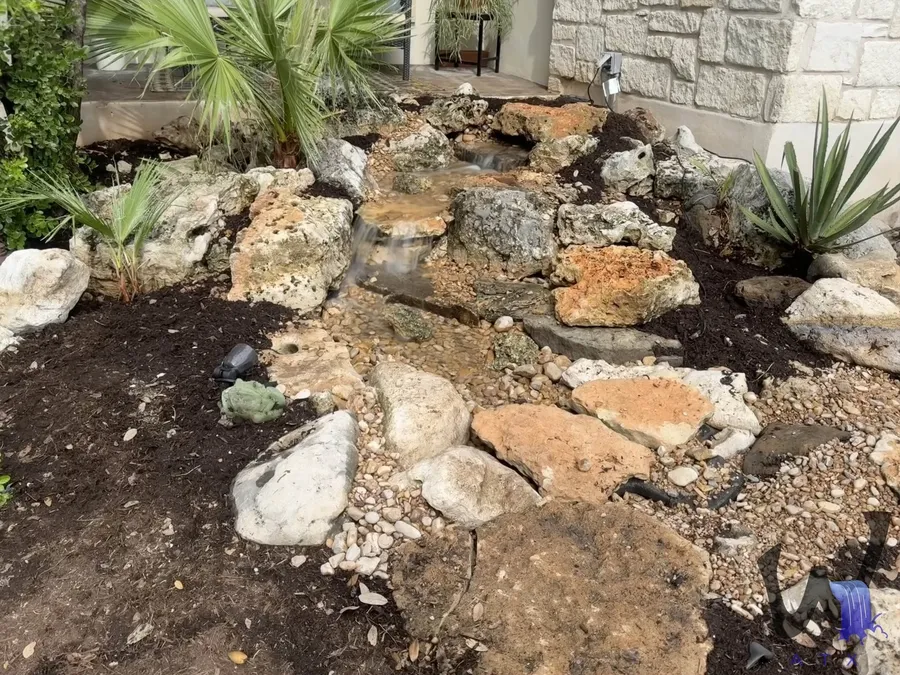
Pond Upgrades
Fixes and improvements for a pond that is not performing: better filtration, new pumps and lighting, reworked rock and edges, leaks and algae sorted.
See more
Get In Touch
Ask Us About Pond Cleaning
Tell us what you have in mind, or what your water feature is doing, and we will get back to you. Advice and estimates are free.
Contact Us
Tell us about your yard or your water feature and we will get back to you.